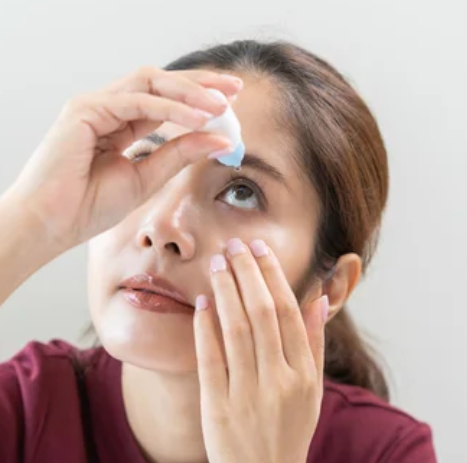
Gritty, tired, watery or stinging eyes by mid-afternoon? In Singapore, dry eye is almost an occupational hazard — a perfect storm of long screen hours, constant air-conditioning and contact lenses. The good news is that most cases respond well to simple changes. Here’s a clear guide to the causes, the at-home relief that actually works, in-clinic dry eye treatment, and when it’s time to see a professional.
Why dry eye is so common in Singapore
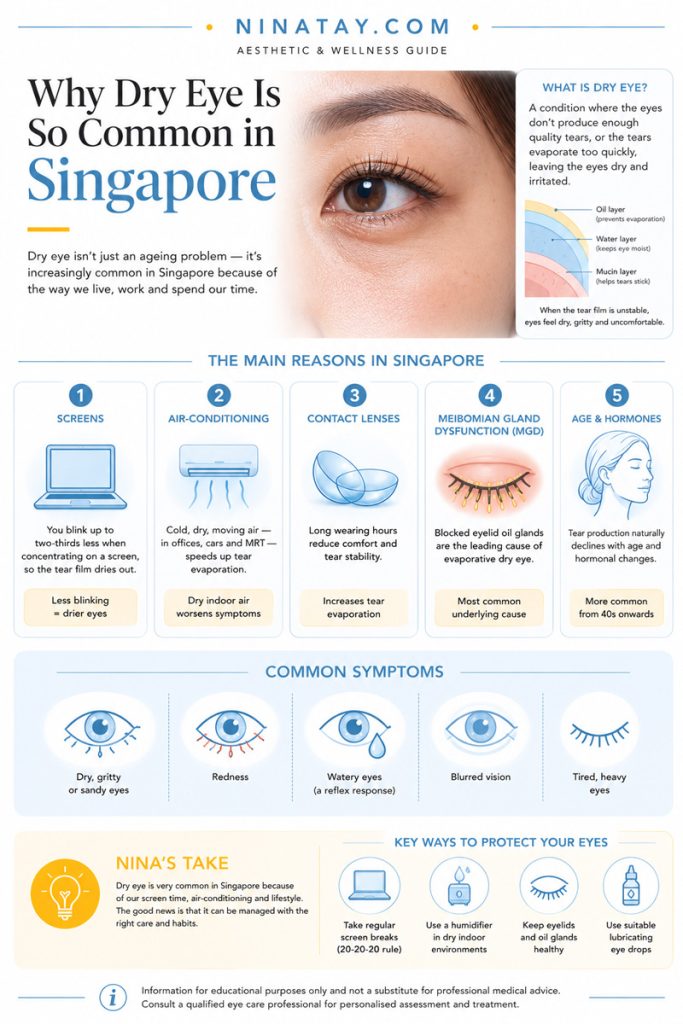
Several everyday factors stack up here:
- Screens: You blink up to two-thirds less when concentrating on a screen, so the tear film dries out.
- Air-conditioning: Cold, dry, moving air — in offices, cars and MRT — speeds up tear evaporation.
- Contact lenses: Long wearing hours reduce comfort and tear stability.
- Meibomian gland dysfunction (MGD): Blocked eyelid oil glands are the leading cause of evaporative dry eye.
- Age and hormones: Tear production naturally declines with age and hormonal changes.
At-home relief that actually works
Most mild dry eye improves a lot with consistent basics:
- Blink and break: Follow the 20-20-20 rule and blink fully — deliberately — during screen work.
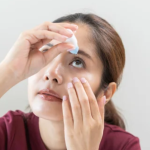
- Artificial tears: Preservative-free lubricating drops for regular use.
- Warm compresses: A warm eye compress daily helps unblock eyelid oil glands (great for MGD).
- Lid hygiene: Gently cleaning the lid margins keeps glands working.
- Tame the aircon: Redirect vents away from your face; a small humidifier helps.
- Omega-3 and hydration: Support tear quality from the inside.
In-clinic dry eye treatment
If home care isn’t enough, in-clinic options can target the underlying cause — especially MGD. These include IPL (intense pulsed light) therapy, thermal eyelid treatments, deep eyelid cleaning and meibomian gland expression. Costs vary by clinic and protocol, and these are usually done as a short course. (Singapore researchers are even developing next-generation eye drops, so the field is moving fast — but the fundamentals above still come first.)
When to see a professional
Home care is fine for…
- Mild, occasional dryness
- Screen- or aircon-related discomfort
- Symptoms that ease with drops and breaks
See a professional if…
- Symptoms are persistent, painful or worsening
- Your vision blurs or fluctuates
- Eyes are very red, light-sensitive or gritty constantly
- Contact lenses have become unbearable
An eye check also rules out an outdated prescription making your eyes work — and dry — harder. See our honest take on blue light glasses and our guides to the best optical shops in Singapore.
Nina’s Top Pick 2026
Visio Optical — Start With a Proper Eye Check
Qualified optometrists · Tear-film & comfort assessment · Honest advice
For dry, tired eyes, Nina’s first stop is a proper eye check with Visio Optical. They assess your vision and eye comfort, sort out any prescription that’s adding to the strain, advise on contact-lens comfort and screen eyewear, and point you to further care if your dry eye needs it — a sensible, no-upsell starting point.
Frequently asked questions
The bottom line
Dry eye in Singapore is common, but rarely mysterious: screens, aircon and blocked eyelid glands do most of the damage. Start with conscious blinking, breaks, artificial tears and daily warm compresses, tame the aircon, and give it a few weeks. If symptoms persist or your vision suffers, get a proper eye check and consider in-clinic treatment. Simple, consistent care fixes most cases.
Related reading on NinaTay:
This article is for general information and is not medical advice. See a qualified optometrist or eye doctor about persistent eye symptoms.