If you have started researching anti-ageing injectables in Singapore, you have probably hit the same wall most people do: everyone uses the words “skin booster”, “collagen stimulator” and “bio-remodelling” as if they mean the same thing. They don’t. Choosing the wrong one is an easy way to spend a four-figure sum on a treatment that was never designed to fix your concern in the first place.
This guide cuts through the marketing. We compare the three treatment families people most often confuse — HA skin boosters (including Profhilo), polynucleotide skin boosters (Rejuran), and Sculptra (a true collagen stimulator) — on what actually matters: what they do, how much they cost in Singapore in 2026, how long results last, and who each one is genuinely right for.
First, what does “bio-remodelling” actually mean?
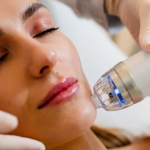
Bio-remodelling is an umbrella term for injectable treatments that improve the quality of your skin — hydration, firmness, elasticity, texture — rather than simply filling a line or adding volume like a traditional dermal filler. Instead of sitting in one spot to plump it, these products spread through the skin and switch on your own repair machinery: fibroblasts, collagen, elastin and hyaluronic acid.
The confusion comes from the fact that several very different molecules all get marketed under the same friendly banner. Here is the honest breakdown.
1. HA skin boosters (and Profhilo)
These use hyaluronic acid — the same water-binding molecule your skin already makes. Classic skin boosters (such as Restylane Skinboosters or Juvederm Volite) are micro-injected across an area to deeply hydrate and improve glow. Profhilo is a special case: it is an ultra-pure, highly concentrated stabilised HA that is injected at just a few precise points and then spreads, “remodelling” lax skin and stimulating a modest amount of collagen and elastin. Think hydration, glow and mild tightening.
2. Polynucleotide skin boosters (Rejuran)
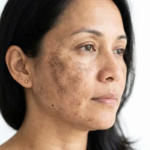
Rejuran is built on polynucleotides (PN) — purified DNA fragments derived from salmon. Rather than just hydrating, polynucleotides trigger a genuine repair-and-regenerate response: calming inflammation, supporting collagen synthesis and improving skin that is damaged, thin, scarred or struggling with dark under-eyes. It is the “skin healing” option of the three.
3. Sculptra (a true collagen stimulator)
Sculptra is poly-L-lactic acid (PLLA). It is not a hydrator and not really a “skin booster” at all — it is a biostimulator that prompts your body to lay down new structural collagen over several months, gradually restoring volume and firmness to areas that have hollowed or sagged with age. Results build slowly and last the longest.

The honest comparison table
Here is everything side by side. Prices are typical 2026 Singapore ranges and vary by clinic, doctor experience and how much product you need — always confirm at consultation.
| HA Skin Boosters / Profhilo | Rejuran (Polynucleotides) | Sculptra (PLLA) | |
|---|---|---|---|
| Main ingredient | Hyaluronic acid | Salmon-DNA polynucleotides | Poly-L-lactic acid |
| Best for | Hydration, glow, mild laxity | Skin repair, texture, scars, dark circles | Volume loss, sagging, deep firmness |
| How it works | Binds water + light collagen boost | Triggers cellular repair + collagen | Rebuilds structural collagen |
| Typical course | Profhilo: 2 sessions, ~1 month apart | 3 sessions, 2–4 weeks apart | 2–3 sessions, 4–6 weeks apart |
| When you see results | Within a few weeks | Glow in 1–2 weeks; full at 4–6 weeks | Gradual; peak at 3–6 months |
| How long it lasts | ~6–9 months | ~6–12 months | Up to ~2 years |
| Typical SG price | Profhilo course: ~$1,400–$2,000; HA boosters from ~$380/session | ~$400–$800/session; 3-session packages ~$1,200–$3,900 | ~$1,000/session; ~$3,000 for a 2-vial package (before GST) |
How to choose the right one for your concern
Forget brand names for a moment and start with your actual concern. This is how an experienced doctor will frame it at consultation.
Choose a skin booster / Profhilo if…
- Your skin looks dull, dry or tired despite a good routine
- You want glow and a “lit-from-within” finish
- You have early, mild skin laxity
- You want visible results within a few weeks
Choose Sculptra if…
- You have genuine volume loss or sagging (cheeks, temples, jawline)
- You want gradual, natural change rather than an instant difference
- You are comfortable waiting 3–6 months for the full effect
- You want the longest-lasting result of the three
And if your main issues are damaged, thin or sensitive skin, acne scarring, or stubborn dark under-eye circles, polynucleotides (Rejuran) are usually the most targeted choice. We cover that treatment in depth in our dedicated guide to polynucleotides in Singapore.
A rough guide by age and stage
Your “right” treatment shifts as your skin changes. This is a general map, not a rule — skin ages at very different rates — but it helps explain why two friends can be told completely different things at the same clinic.
- Late 20s to mid-30s: Concerns are usually hydration, glow, early fine lines and prevention. HA skin boosters or Profhilo tend to be the sensible entry point. Polynucleotides are worth considering if your skin is damaged, scarred or struggling with under-eyes.
- Late 30s to 40s: Skin quality plus the first signs of laxity and volume change. This is where combinations start to make sense — a skin booster for surface quality, with a collagen stimulator introduced as structure begins to soften.
- 50s and beyond: Volume loss and laxity usually dominate. Sculptra and other collagen-building approaches do the heavy lifting, with boosters and polynucleotides refining quality on top.
Three expensive mistakes to avoid
Most regret with these treatments comes down to a handful of avoidable errors. Watch for these before you commit.
- Buying for the brand, not the concern. A treatment being popular on social media tells you nothing about whether it fixes your issue. Start with your concern, then let the product follow.
- Judging by per-session price. The cheapest session can be the most expensive over a year if it needs frequent topping up. Always compare the full course and how long results hold.
- Expecting instant change from a slow treatment. Sculptra in particular works over months. If you book it two weeks before an event expecting a transformation, you will be disappointed — through no fault of the treatment.
Can you combine them?
Yes — and for many people over 40, a combination is where the real results come from. Because each treatment addresses a different layer, doctors frequently pair them: Sculptra to rebuild deep structure and volume, then a skin booster or Profhilo to refine surface quality and glow on top. Rejuran is often added for skin repair and under-eye concerns. The sequencing and spacing matter, which is exactly why this should be planned by a doctor rather than bought as a one-size package.
Where do Botox and fillers fit in?
People often lump all injectables together, but bio-remodelling treatments sit in a different category from the two best-known injectables, and it helps to see the whole map.
Botox (botulinum toxin) relaxes the muscles that create movement lines — frown lines, crow’s feet, forehead creases. It does nothing for skin quality or volume; it simply softens expression-driven wrinkles. Dermal fillers add immediate, targeted volume to a specific spot — lips, cheeks, a defined jawline — using gel that sits where it is placed.
Bio-remodelling treatments are the third pillar: rather than freezing movement or filling a spot, they improve the living quality of the skin itself or rebuild collagen across an area. That is why a complete plan for someone in their 40s might combine all three — Botox for expression lines, a skin booster or collagen stimulator for quality and structure, and a touch of filler only where genuine shape is needed. The art is using the least amount of each. If you want to understand the muscle-relaxing side in depth, our guide to the best Botox doctor in Singapore covers it fully.
Safety, downtime and choosing a clinic
All three treatments are injectables and should only be performed by a licensed, experienced doctor — never delegated to a non-medical therapist. Expect some redness, tiny injection bumps or mild bruising for a day or two; Profhilo’s small bumps typically settle within hours to a day. The single biggest variable in your result is not the brand on the box — it is the hand holding the needle. Injector skill determines placement, dosing and how natural the outcome looks.
Aftercare: getting the most from your treatment
Aftercare is simple but worth doing properly. For the first 24–48 hours, avoid intense heat (saunas, hot yoga), strenuous exercise, alcohol and aggressive skincare actives, all of which can worsen swelling or bruising. Stay hydrated, sleep slightly elevated if you are prone to puffiness, and resist the urge to massage the area unless your doctor specifically instructs you to. Because these treatments work with your skin over weeks, supporting your skin barrier at home — gentle cleansing, sun protection and a well-formulated serum — helps the result look its best and last longer.
The real cost over time, not just per session
The headline price you are quoted is only part of the picture. Because each treatment lasts a different length of time, the honest comparison is what you spend to maintain a result over, say, two years. A skin booster course that looks affordable up front may need refreshing two or three times a year, while a Sculptra protocol costs more initially but can hold for up to two years before a top-up.
As a rough planning exercise: HA skin boosters and Profhilo generally need maintenance every 6–9 months, polynucleotides every 6–12 months, and Sculptra roughly every 12–18 months once your initial course is done. Map your likely treatments against that timeline before you commit, so you are budgeting for a relationship with a treatment, not a one-off purchase. A good clinic will happily talk you through this; one that dodges the question of long-term cost is a clinic to be wary of.
What to ask at your consultation
A consultation is where a good outcome is won or lost. Walk in with these questions and you will quickly tell a thoughtful, doctor-led clinic from a sales-driven one.
- “Based on my concern, which treatment do you not recommend, and why?” A doctor willing to rule things out is a good sign.
- “Will a doctor perform the injection, or a therapist?” For all three treatments, it should be a licensed doctor.
- “What does the full course cost, and how often will I need maintenance?” You want the two-year picture, not just today’s price.
- “What results are realistic for me, and when will I see them?” Especially important for Sculptra’s slow build.
- “What happens if I’m not happy — what are the risks and the plan?” Every injectable carries some risk; a good doctor discusses it openly.
Nina’s Top Pick 2026
Nee Soon Clinic — Doctor-Led Aesthetic Care
Doctor-performed injectables · No hard-sell · Clear, honest consultation
Because the right choice depends entirely on your skin, the smartest first step is a doctor-led consultation that will tell you honestly if you don’t need a treatment yet. At Nee Soon Clinic every injectable is performed by a licensed doctor, never delegated.
Frequently asked questions
The bottom line
There is no single winner here, and any clinic that pushes one treatment for every concern should make you cautious. Skin boosters and Profhilo are for hydration, glow and mild laxity. Rejuran is for repair, texture and tired under-eyes. Sculptra is for genuine volume loss and the longest-lasting structural firmness. Match the treatment to your concern, choose a doctor over a brand, and you will spend your money where it actually counts.
Related reading on NinaTay:
This article is for general information and is not medical advice. Aesthetic treatments carry individual risks — always consult a licensed doctor about what is suitable for you.