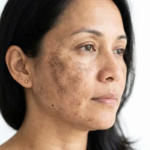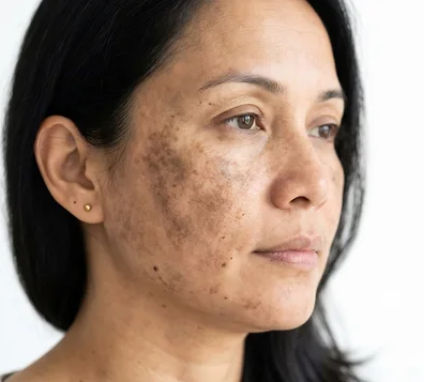
Melasma is one of the most frustrating skin concerns to treat — those blotchy brown patches on the cheeks, forehead and upper lip are stubborn, prone to returning, and easy to make worse with the wrong treatment. If you’ve been told a laser will “zap it away,” please read this first. Here’s what actually works for melasma treatment in Singapore in 2026, based on the evidence rather than the hard sell.
What causes melasma?
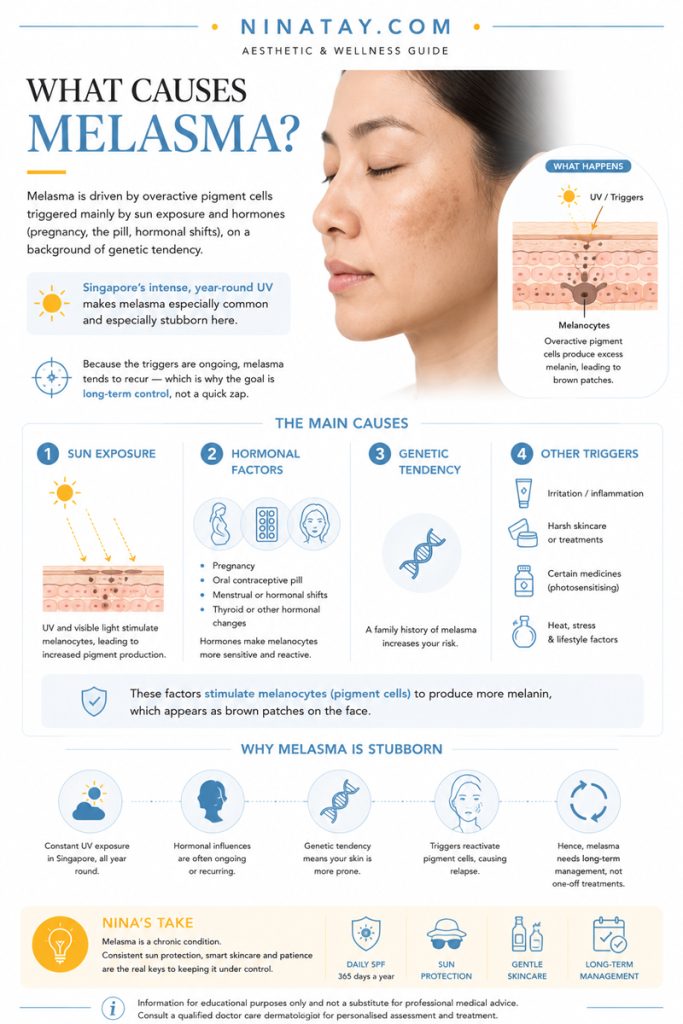
Melasma is driven by overactive pigment cells, triggered mainly by sun exposure and hormones (pregnancy, the pill, hormonal shifts), on a background of genetic tendency. Singapore’s intense, year-round UV makes it especially common and especially stubborn here. Because the triggers are ongoing, melasma tends to recur — which is why the goal is long-term control, not a quick zap.
What actually works (in the right order)
1. Sun protection — non-negotiable
This is the foundation, and nothing else works without it. Daily broad-spectrum SPF, reapplied, plus hats and shade. UV is the single biggest driver of melasma, so unprotected sun undoes every other treatment. If you do only one thing, do this.
2. Topical treatments — first-line
Prescription topicals are the proven first step: agents like hydroquinone, retinoids and topical tranexamic acid work to fade pigment and slow its formation. These take patience — weeks to months — but they’re the backbone of melasma control and should be doctor-guided to avoid irritation.
3. Oral tranexamic acid — evidence-based add-on
Originally a medication for bleeding, oral tranexamic acid was found to lighten melasma by interfering with pigment formation. It’s now a well-regarded, evidence-based addition for stubborn or recurrent melasma — prescribed and monitored by a doctor.
4. Laser — second-line, and with caution
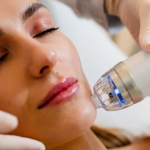
Laser is not the starting point for melasma, and the wrong laser or too much energy can worsen it. When appropriate, a gentle, low-fluence approach (such as a carefully mapped low-energy Pico protocol) can help — but only after topicals and sun protection, and only in experienced hands. Typical Pico sessions run around $450, over multiple visits.
Supporting your skin through treatment
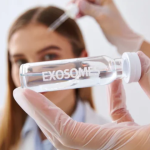
Melasma treatment can be drying or irritating, and a compromised skin barrier makes pigmentation worse. Supporting your skin with gentle, barrier-friendly care — and, after any in-clinic procedure, a calming recovery serum — helps results hold. Our guide to the best collagen serum covers a recombinant-collagen option that aesthetic doctors use to calm and support skin after procedures.
How to approach it
Do
- Wear broad-spectrum SPF daily, rain or shine
- Start with doctor-guided topicals
- Ask about oral tranexamic acid for stubborn cases
- Be patient — melasma responds slowly
Don’t
- Rush into aggressive laser
- Pick a clinic that leads with lasers for melasma
- Expect a permanent cure
- Skip sun protection — it undoes everything
Nina’s Top Pick 2026
Nee Soon Clinic — Doctor-Led Melasma Management
Doctor-led · Evidence-first · No hard-sell
For melasma, Nina’s pick is a doctor-led clinic that follows the evidence rather than pushing lasers. At Nee Soon Clinic, care is doctor-led with clear communication and no hard-sell — the right setting for a sensible, topicals-first melasma plan (with oral tranexamic acid where suitable) rather than an aggressive laser package.
Frequently asked questions
The bottom line
Melasma rewards patience and the right order of treatment: sun protection and topicals first, oral tranexamic acid for stubborn cases, and gentle laser only as a careful second-line step. It’s managed, not cured — so choose a doctor-led clinic that follows the evidence over one that sells you an aggressive laser package, and protect your skin from the sun every single day.
Related reading on NinaTay:
This article is for general information and is not medical advice. Melasma treatment should be guided by a licensed doctor.